
Invisibility

My friend the poet describes midwifery as a form of chosen invisibility, which I just love, because in saying that she incidentally names what I find so viscerally appealing about the work. For thirty years I’ve had a home birth practice, providing everyone’s prenatal and postpartum care in their homes. A typical day for me involves a series of car rides from one house to another, often spread out over a few counties. For the most part, the only people who ever see me working are the families who hire me. Home birth midwifery doesn’t have much of a public face, beyond social media. There’s no marketing campaign. For years access to my practice was strictly word-of-mouth, and I preferred it that way. Eventually I had to catch up to the times, not to mention my younger colleagues, and create a website, but it was like pulling teeth. I am still that shy kid who dislikes unsolicited attention, preferring to be a quiet observer, rather than observed herself. In childhood my favorite place was on the edge of an adult conversation when the grown-ups had forgotten I was listening, learning and silently holding onto often surprising new knowledge. I didn’t know then that I was practicing midwifery skills.
The deep privacy of home birth is a large part of its appeal for many who choose our care. They don’t want to give birth with strangers, even when those strangers are well-trained and well-meaning professionals. They want the uninhibited freedom that comes with laboring on their own turf, where their defenses are down, so their bodies work best. But they also want the skills and discernment that their midwife brings, to assure them that all is well, and they are safe right where they are — or not. Our venue sometimes has to change, of course, in response to new circumstances. At that point my work becomes visible to my hospital colleagues, as they assume primary responsibility for the delivery. I remain present in a low-key advisory role, helping my clients understand what’s happening, building a bridge between them and the caregivers they had hoped to not need. It’s been lovely, over the years, to see the old mutual hostility give way to respect and even affection.
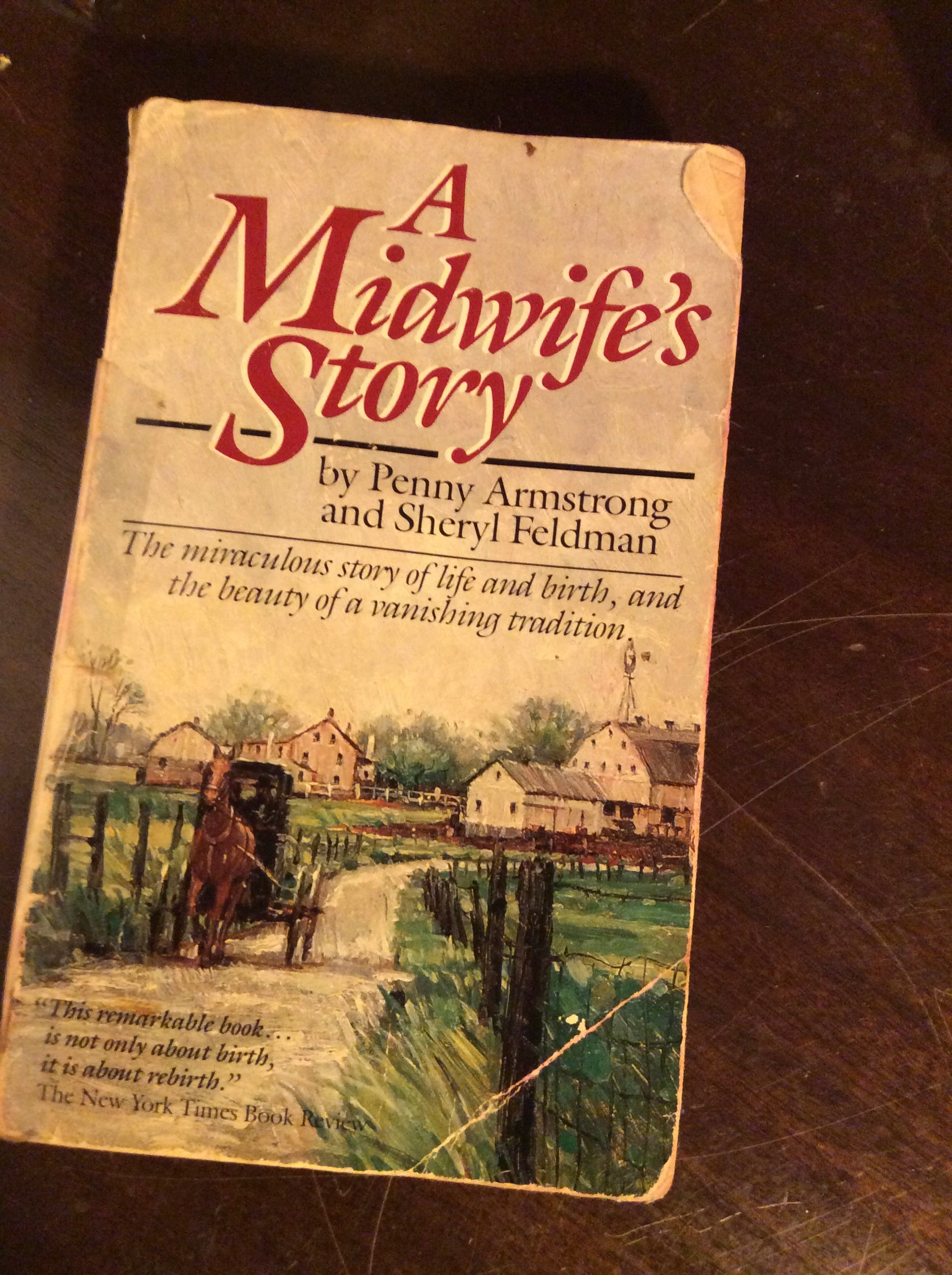
Thanks to my teenage feminism and early reading about midwifery, I had a detailed rant against medicalized childbirth running through my mind from well before the time I had my daughter, through and after her difficult delivery (which only made it harder), and continuing into my training and early years of practice. We were serving a lot of women who had weathered bad birth experiences in the hospital, bad enough that they didn’t want to go back, and so we would rant together righteously. Simultaneously I was coming up against the truth that all home birth midwives must reconcile with, if we’re going to be safe providers: whatever we feel about hospitals and obstetrics, sometimes we’re going to need hospitals and obstetricians, and we have to learn to communicate with them on behalf of our clients. Mastering my own emotions around this dynamic was one of the persistent challenges in my early working years. Fortunately, I was eventually blessed with a deeply trustworthy back-up doctor who was always easy to talk to. We enjoyed twenty-two years of steady collaboration, a rarity.
Most of the time, of course, things remain simple and we stay home for our deliveries. Just yesterday, I was summoned to a third-time mom’s labor. Driving deep into her rural county in the wee hours, I arrived to find her working through ever stronger contractions. Fetal heart tones were excellent, and she had her husband and sister at her side. My assistant and I set up for the birth and waited as the sun started to rise, checking on mom and baby regularly, but mainly just staying out of the way, chatting quietly in the kitchen. The older kids awoke and were picked up by their grandmother. They hadn’t been gone five minutes when their mom felt her water break and her baby drop into her pelvis. We hustled back into the bedroom and helped her onto my birth stool, where moments later she put her sweet third daughter into my hands. The baby made an easy transition, there were no lacerations, and the placenta came smoothly, with minimal bleeding. Once we got the mom comfortably in bed to nurse her newborn, we retreated to the kitchen, where her sister was busy whipping up breakfast for everyone. I wrote a narrative description of the delivery into her chart, and took care of other paperwork. In the second hour we helped the mom to the bathroom, did a thorough newborn exam, and went over standard postpartum instructions. It was bright mid-morning by the time we packed up and loaded out, no one but the cows watching us leave, biscuits that were still warm wrapped up on the seat beside me.
You are a terrific writer, in addition to all your other amazing talents! Can’t wait to share your Substack with students.